


🍉 Quick Answer
Yes, dogs can eat watermelon safely — but only the flesh. Always remove the seeds and rind before serving. Read on for serving sizes, breed tips, and an easy step-by-step prep guide.
In this guide:
It's a hot summer afternoon. Your dog is watching you slice a watermelon with those big hopeful eyes, and you're wondering: is it actually safe to share a piece?
Good news: it is. Watermelon is non-toxic, hydrating, and most dogs love it. But how you prepare it matters. Get it right and you've got a genuinely great summer treat. Get it wrong and you'll have a very unhappy pup on your hands.
Here's everything you need to know, from serving sizes to seeds to which part of the watermelon you should never, ever give your dog.
Is Watermelon Safe for Dogs?
Yes, watermelon is safe for dogs when prepared correctly. The flesh is non-toxic and poses no danger to your furry friend. It's made up of about 92% water, making it one of the better summer fruits for keeping your dog hydrated on warm New Zealand days.
The catch? The seeds and the rind. Both need to be removed before your dog gets anywhere near it. More on those below.
The Benefits of Watermelon for Dogs
Beyond being a tasty treat, watermelon offers some genuine nutritional value worth knowing about.
Hydration
At 92% water, watermelon is a brilliant way to boost your dog's fluid intake, especially after a walk, a beach trip, or on a hot afternoon when dogs are more prone to dehydration.
Vitamins A, B6 and C
Watermelon contains Vitamin A (for eye health and immune function), Vitamin B6 (which may help support brain health and energy metabolism), and Vitamin C (an antioxidant that may help support immune health). Not in huge quantities, but as part of a varied diet, every bit helps.
Lycopene
This is the antioxidant responsible for watermelon's bright red colour. Research into lycopene's effects in dogs is still developing, but it is well-studied in human nutrition and considered a beneficial compound.
Low in calories and fat
A cup of diced watermelon flesh contains around 45 calories and almost no fat. Compared to most commercial treats, it is a genuinely light option, especially for dogs who love snacking but need to watch their weight.
🐾 Did you know?
Watermelon is 92% water, which means on a hot NZ summer day it can be just as effective as a water top-up. Many dogs will choose a frozen watermelon cube over a bowl of water when given the option.
A note on natural sugars
Watermelon contains natural sugars (about 6g per cup). For healthy dogs this is fine in moderation, but if your dog has diabetes or tends to gain weight easily, check with your vet before adding it to their diet.
What to Avoid: Seeds and Rind
This is the most important section. Getting this wrong is where most owners run into trouble.
Watermelon Seeds
Black seeds are a choking hazard, particularly for smaller dogs. Swallowed in quantity, they can also cause intestinal blockages. The soft white seeds found in seedless varieties are lower risk, but still worth removing when you can.
Buy seedless watermelon, or remove all seeds before serving. No exceptions.
Watermelon Rind
The green outer rind and the pale white flesh just inside it are too tough for dogs to digest properly. Eating the rind can lead to vomiting, diarrhoea, and in more serious cases, a blockage that needs veterinary attention.
Serve only the bright red or pink flesh. That's the good stuff anyway.
How Much Watermelon Can a Dog Eat?
Treats of any kind should make up no more than 10% of your dog's daily calorie intake. For watermelon, here's a simple size guide:
| Dog Size | Suggested Serving |
|---|---|
| Small (under 11kg) | 1 to 2 small cubes (roughly 30g) |
| Medium (11 to 34kg) | A small bowl of cubes (roughly 80 to 100g) |
| Large (over 34kg) | A generous handful of cubes (up to 150g) |
Start small the first time, especially if your dog has a sensitive stomach. Give it a few hours before making it a regular part of their treat rotation.
How to Safely Serve Watermelon to Your Dog
Two minutes of prep is all it takes.
- Choose seedless, or remove every black seed from a regular watermelon before you start.
- Cut away all the rind, including the white layer underneath. Leave only the red or pink flesh.
- Slice into bite-sized cubes appropriate for your dog's size. Smaller pieces for smaller dogs.
- Serve fresh or frozen. Frozen watermelon cubes are a summer favourite. Prep a batch, freeze overnight, and serve straight from the freezer on a hot day.
- Keep it plain. No sugar, no seasoning, no sweeteners of any kind.
🧊 Frozen Watermelon Tip
Cut seedless flesh into cubes, lay on a baking tray lined with paper, and freeze for two hours. Transfer to a zip-lock bag and store in the freezer. On a hot day, these make an instant, refreshing treat your dog will go absolutely wild for. A great alternative to store-bought frozen treats.
Can Puppies Eat Watermelon?
Yes, but go slowly. Puppies have more sensitive digestive systems than adult dogs, and their guts are still developing. Start with a single small cube, watch for any signs of stomach upset over the next few hours, and hold off on making it a regular treat until they're a little older.
The same rules apply: no seeds, no rind, flesh only. When in doubt, ask your vet.
Does Breed Make a Difference?
All breeds can enjoy watermelon safely, but a few things are worth keeping in mind:
- Flat-faced breeds like Bulldogs and Pugs should get smaller pieces, as they can struggle with larger chunks and are more prone to choking.
- Small breeds like Chihuahuas, Pomeranians, and Schnauzers should have proportionally smaller portions. Two or three small cubes is plenty.
- Dogs with kidney conditions should be checked with a vet first, as watermelon is relatively high in potassium.
Signs Your Dog's Stomach Isn't Happy
Even with perfectly prepared watermelon, some dogs with sensitive digestive systems may not react well to a new food. Watch for:
- Loose stools or diarrhoea in the hours after eating
- Vomiting
- Excessive gas or bloating
- Loss of appetite
If you notice any of these, skip watermelon next time and chat with your vet. If your dog regularly reacts to new foods or has inconsistent digestion, it may be worth looking at their gut health more broadly.
From the FlexiPaw Range
Is Your Dog's Gut Feeling Its Best?
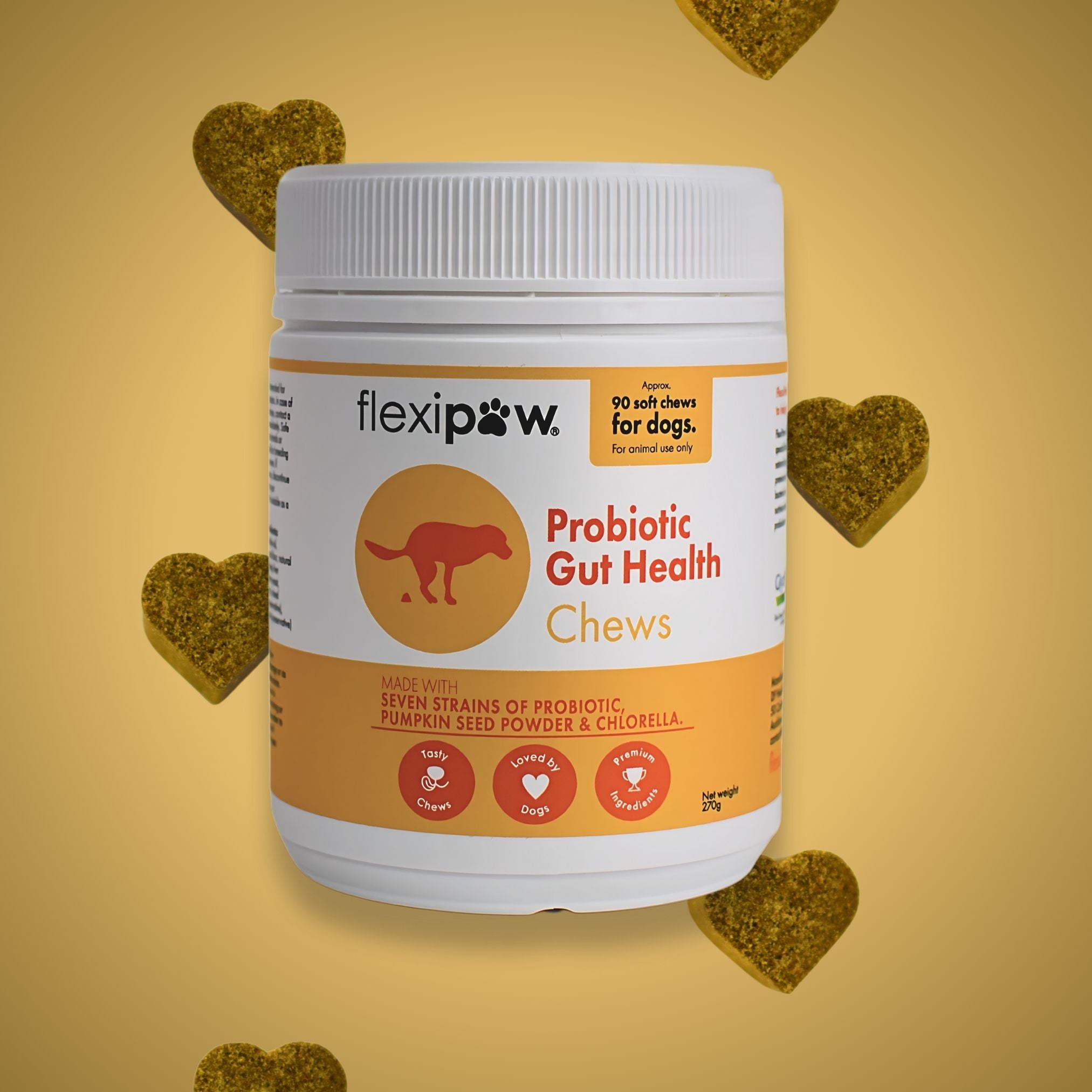
If your dog regularly reacts to new foods, has inconsistent digestion, or you've noticed ear and paw licking, their gut microbiome might need some support.
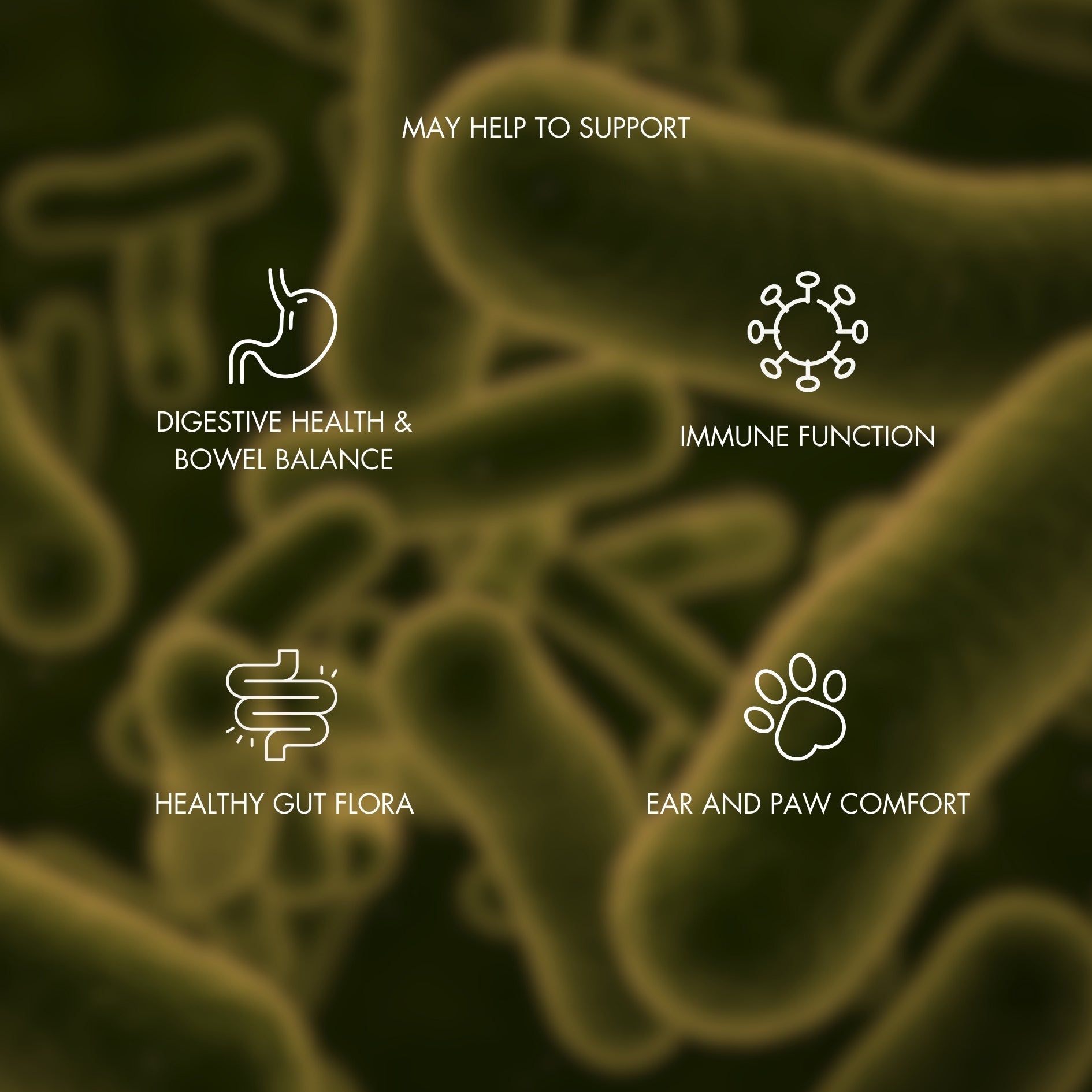
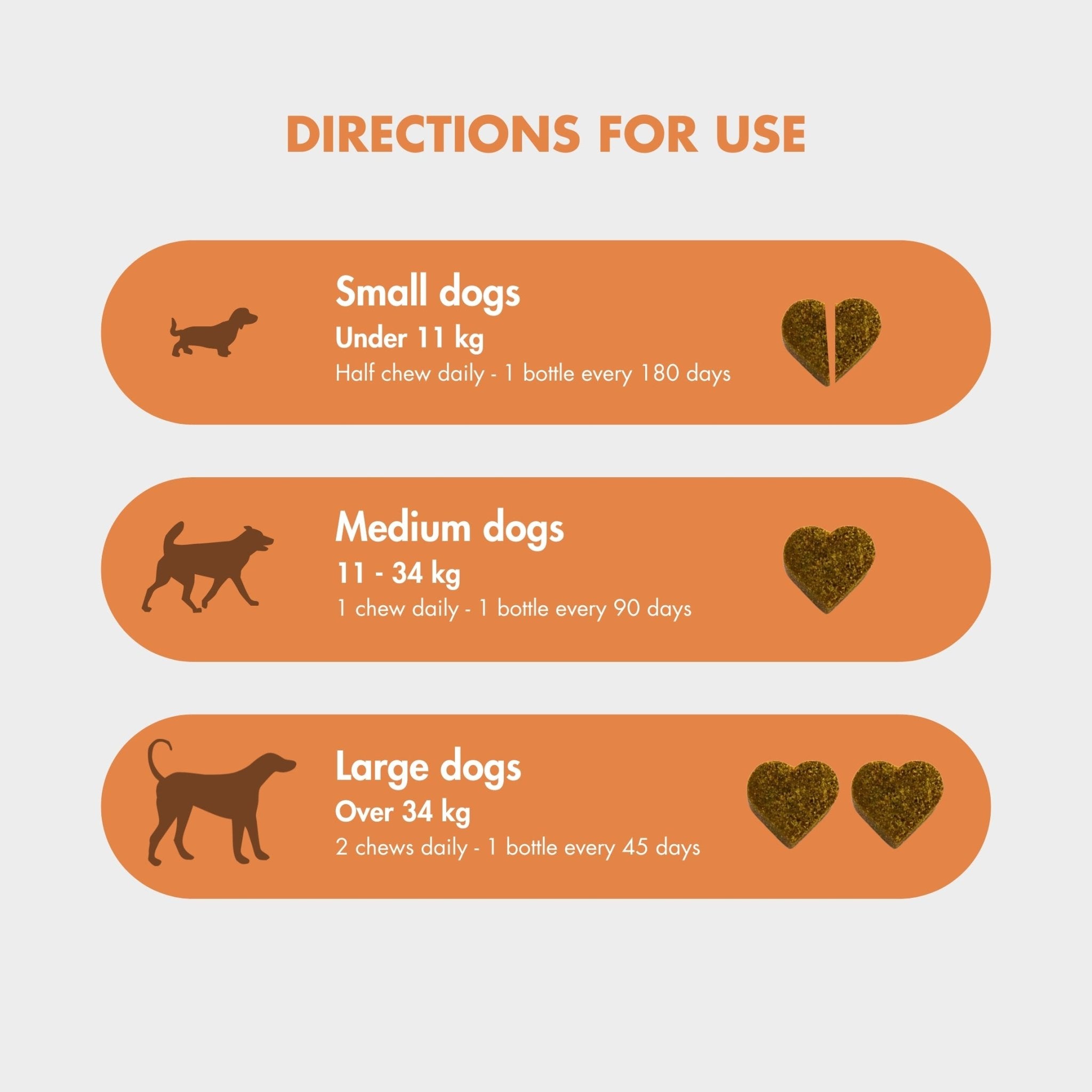
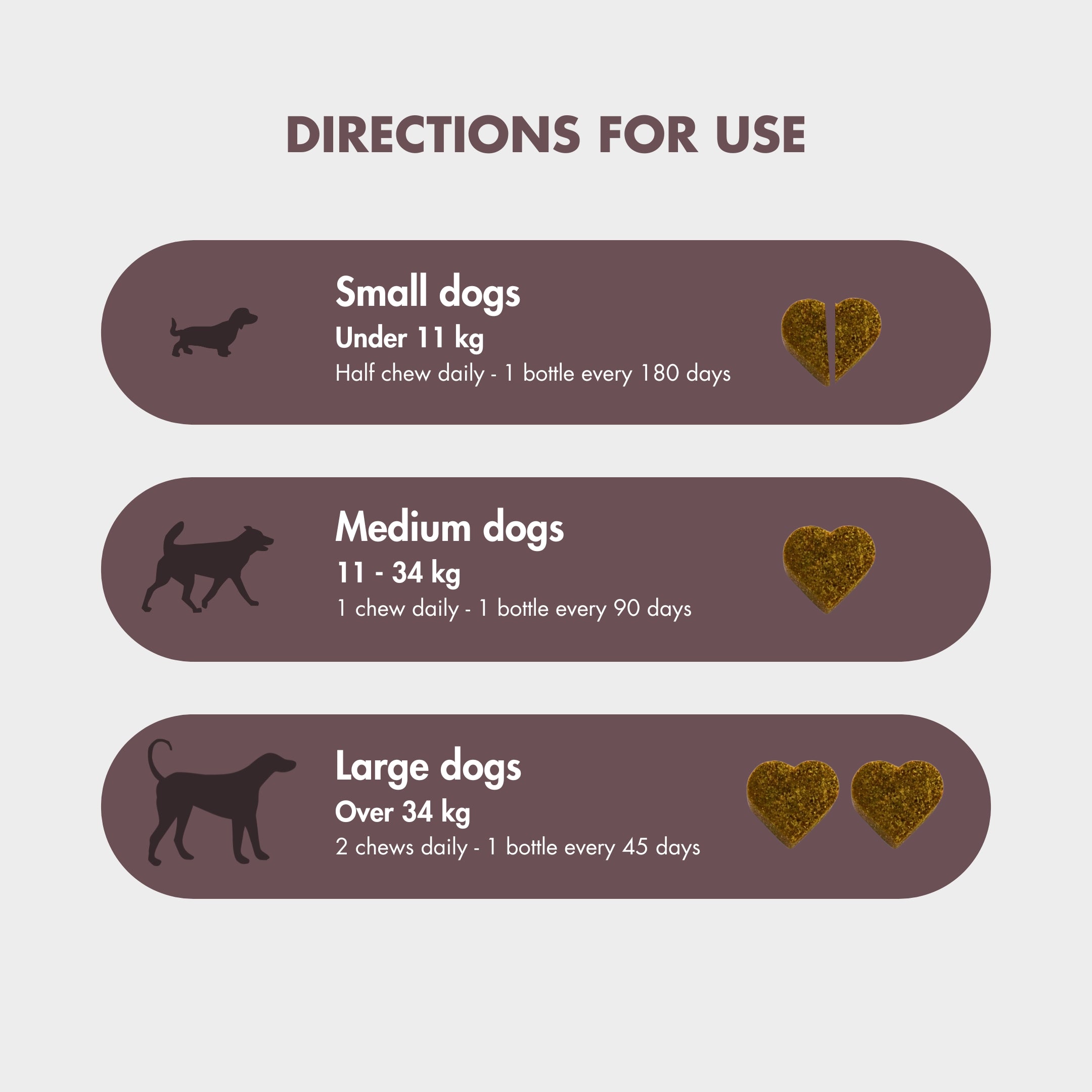
Our Probiotic Gut Health Chews are formulated with seven probiotic strains plus GlycOmega™-PLUS to may help support balanced digestion, healthy gut flora, and immune function. One heart-shaped chew per day. Made in New Zealand. Loved by Kiwi dogs.
Shop Probiotic Chews →Frequently Asked Questions
Click any question below to see the answer.
The Bottom Line
Watermelon is a safe, enjoyable treat for most dogs when prepared correctly. Remove the seeds, skip the rind, cut into the right-sized pieces, and keep portions sensible. Your pup gets a hydrating, vitamin-rich snack and you get the satisfaction of giving them something genuinely good.
If you're looking to support your dog's health beyond the occasional fruit treat, explore the full FlexiPaw supplement range — premium NZ-made chews designed to support joint health, gut health, calm, and overall wellbeing. Every product is backed by a 30-day money-back guarantee, because we're confident your dog will love them.
From the FlexiPaw Range
Watermelon Is a Treat. This Is Daily Nutrition.
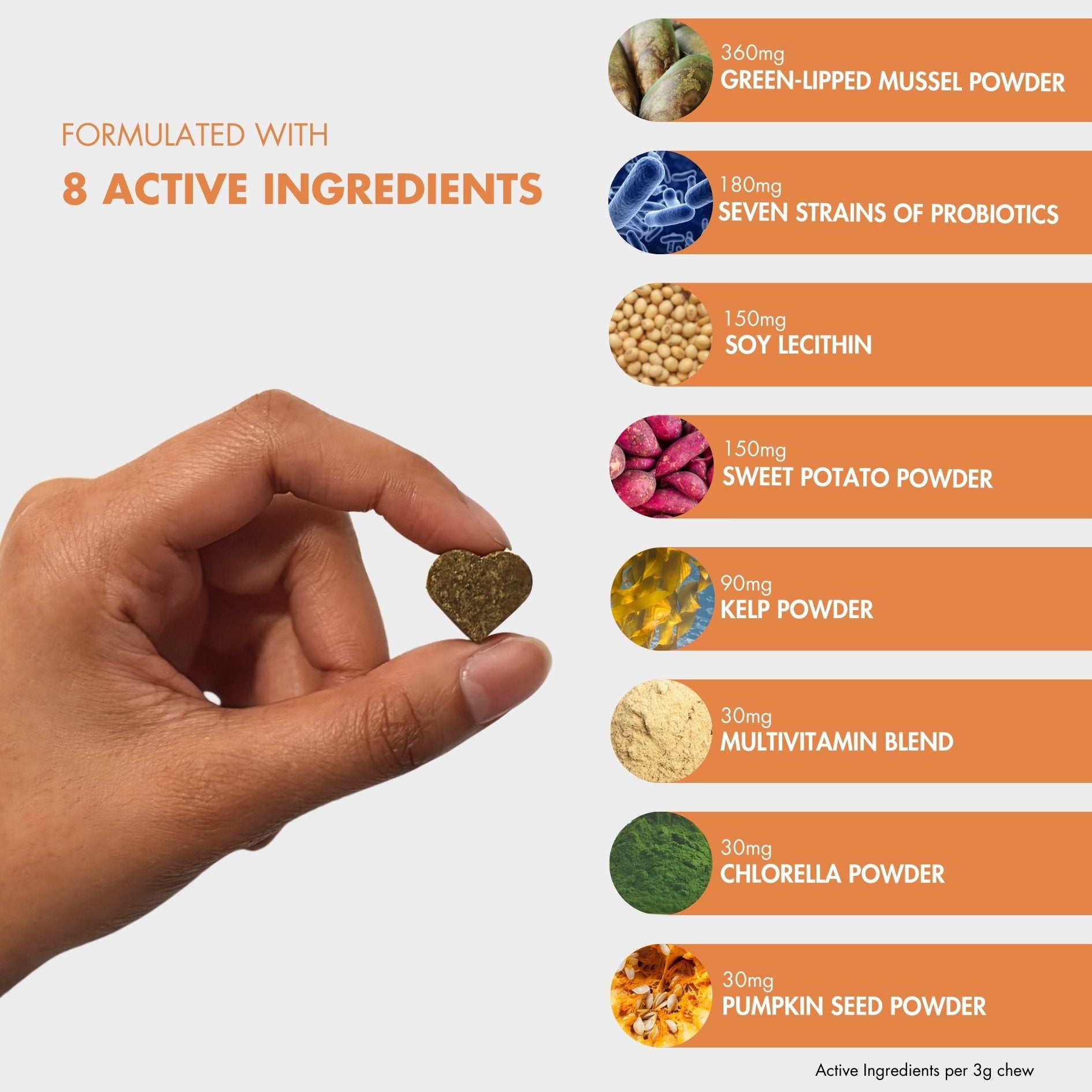
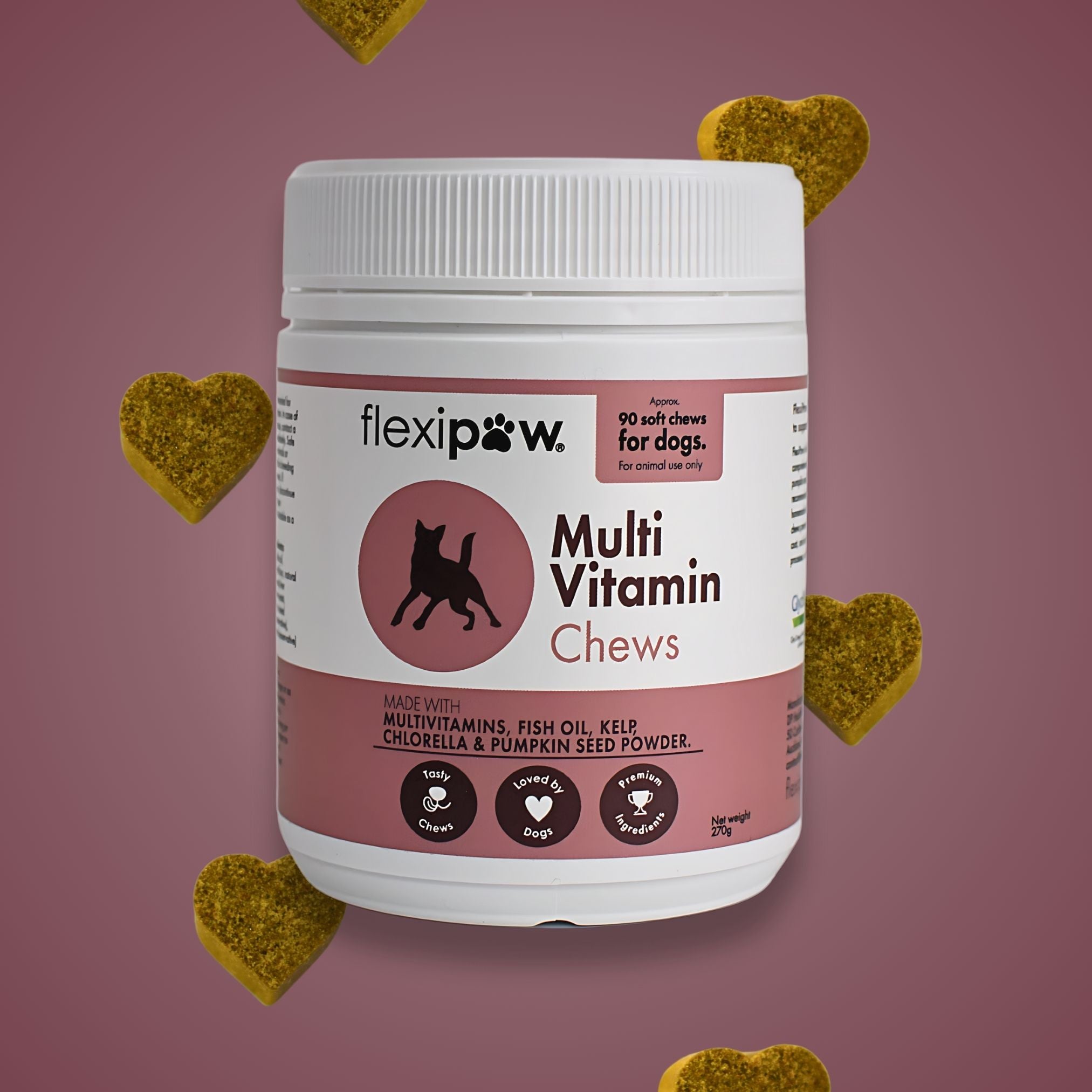
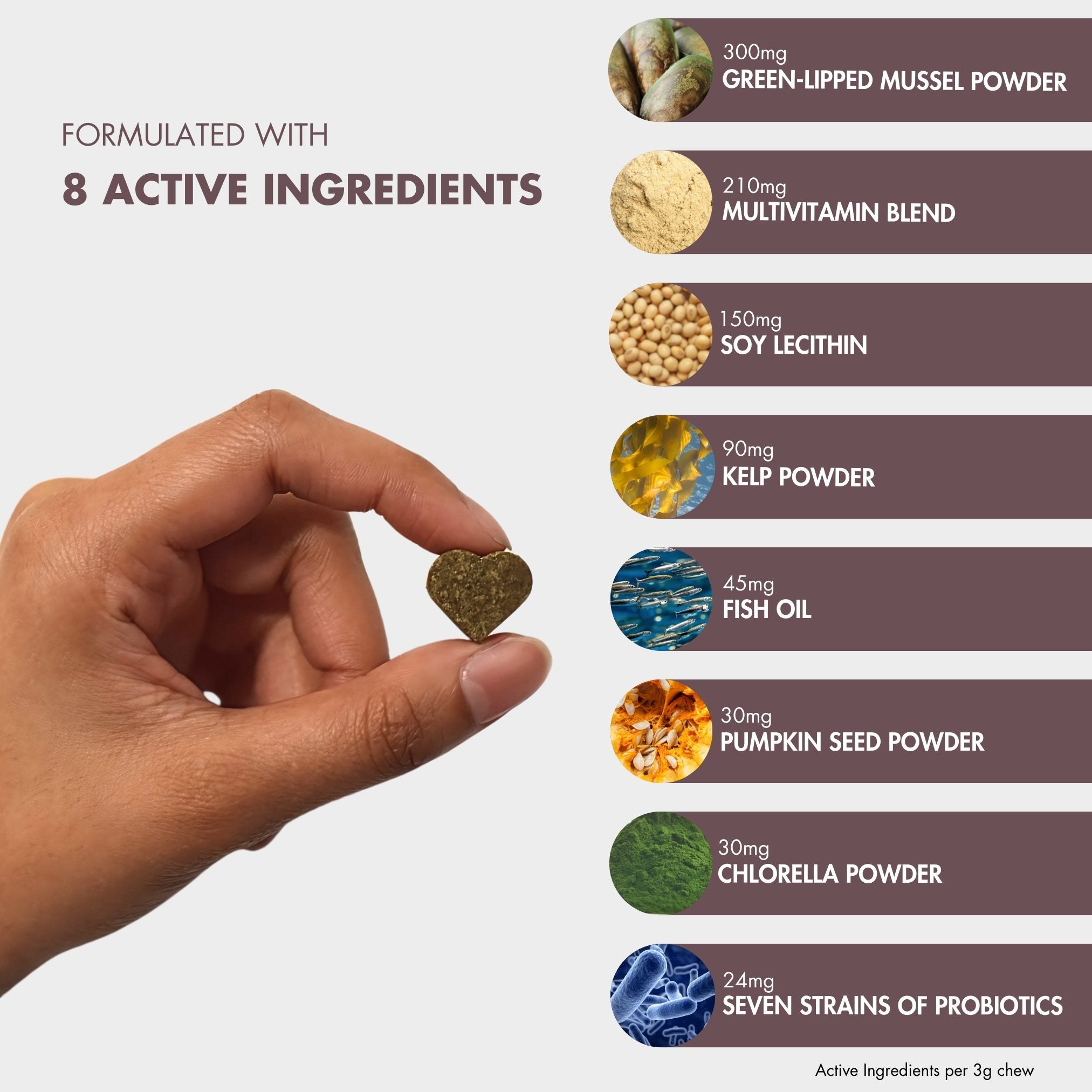
Fruit is lovely, but it's not a substitute for a complete daily supplement. Our Multivitamin Chews pack eight active ingredients including fish oil, kelp, chlorella, and GlycOmega™-PLUS into one heart-shaped chew your dog will actually beg for.
Everything they need. Nothing they don't. 100% NZ owned and manufactured. Backed by a 30-day money-back guarantee.
Shop Multivitamin Chews → Explore the Full Range →Found this helpful? Share it with a fellow dog owner who might need it. 🐾
Disclaimer: The content on this website is for educational purposes only and should not replace professional veterinary advice. We recommend you talk to your veterinarian if you have any concerns. Products on this website are not intended to diagnose, cure, treat or prevent any disease. The statements made on this website have not been evaluated by the Food and Drug Administration.







![FlexiPaw Calm & Relax Chews for Dogs - Soft chews made with Ashwagandha, L-Theanine, Chamomile & Passion Flower to help relieve dog anxiety and promote relaxation. [270g container]](http://flexipaw.com/cdn/shop/files/website_slider_CALMING_b2a57442-9be6-4f29-82ec-67f758fb05dc.jpg?v=1726977474&width=4050)

Leave a comment